Investing in a new roof is one of the biggest expenses homeowners face, and naturally, you want it to last as long as possible. The lifespan of a roof depends on several factors, but most roofs in London and Surrey typically last between 15 to 50 years, with some premium materials lasting even longer.
How Long Should a New Roof Last
Understanding what affects how long a new roof lasts can help you make smarter decisions about installation, maintenance, and replacement. Let’s explore how long different roofing materials last and what you can do to get the most out of your investment.
Average Lifespan by Roofing Material
Not all roofs are created equal. The material you choose plays the biggest role in determining how many years of protection you’ll get. Here’s what you can expect from the most common roofing types in the UK:
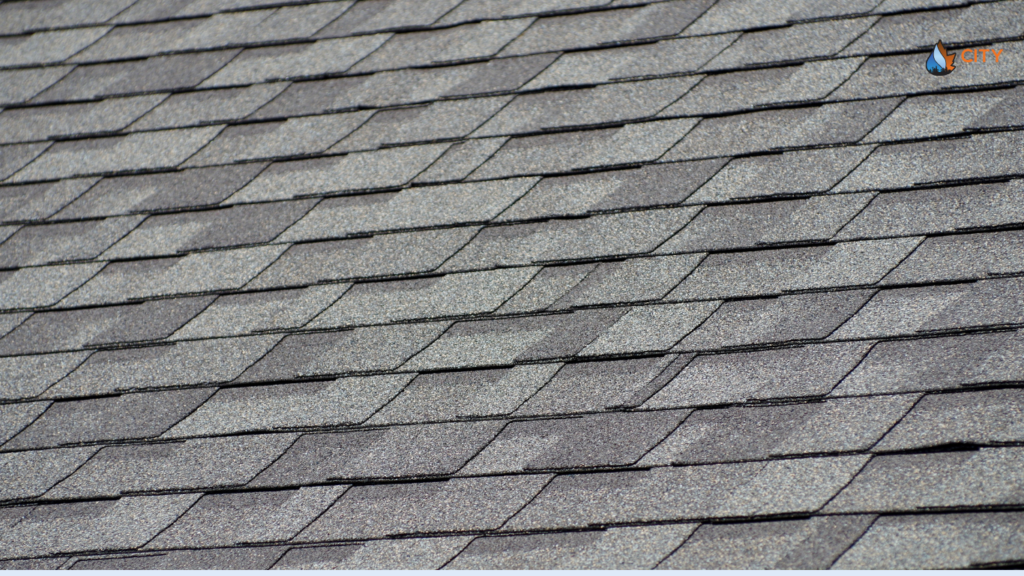
Asphalt Shingles: These remain popular for residential properties and typically last 15 to 30 years. Standard 3-tab shingles sit at the lower end of this range, while architectural shingles can push closer to 30 years with proper care.
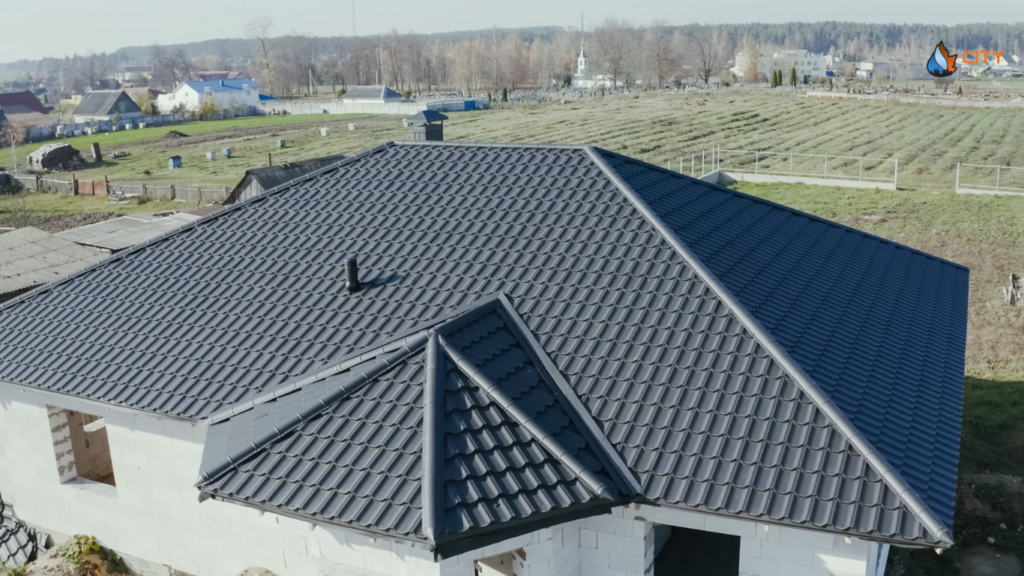
Tile Roofing: Clay and concrete tiles are a common sight across London’s residential areas. Clay tiles can last 50 to 100 years, making them an excellent long-term investment. Concrete tiles are slightly less durable but still offer 40 to 50 years of reliable service.
Slate Roofing: If you’ve seen the beautiful slate roofs on period properties throughout London, you’re looking at one of the longest-lasting materials available. Quality slate can protect your home for 75 to 200 years, though it requires professional installation and occasional maintenance.
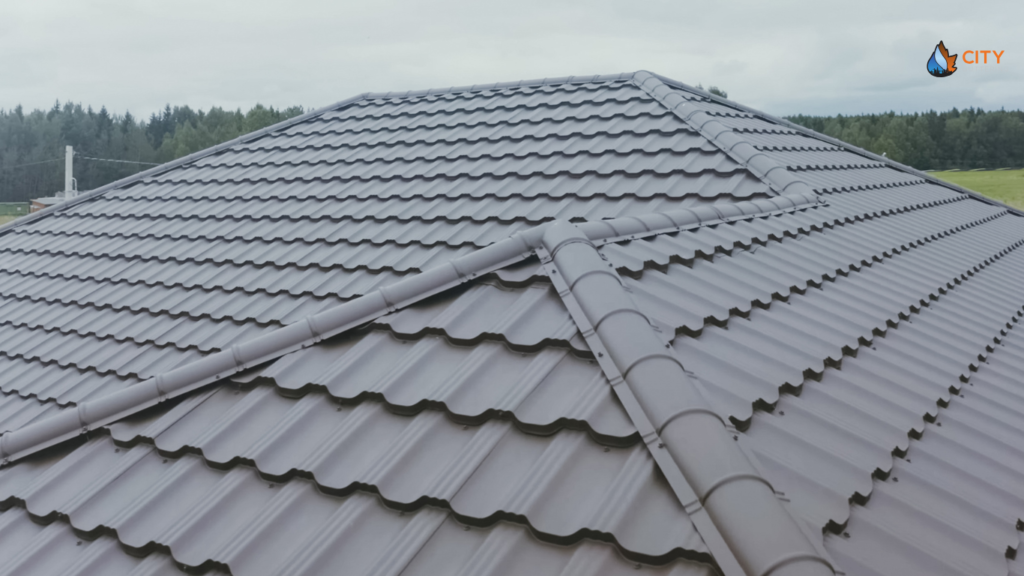
Metal Roofing: Growing in popularity, metal roofs last 40 to 70 years depending on the material. Steel and aluminum options work well in the UK’s wet climate and resist moss growth better than traditional materials.
Flat Roofs: Common on extensions and commercial buildings, flat roofs have shorter lifespans of 10 to 25 years. Modern EPDM rubber and TPO membranes last longer than traditional felt, but all flat roofs need more frequent inspections.
What Affects Your Roof’s Longevity
Even the best roofing material won’t reach its full lifespan without the right conditions. Several factors determine whether your roof makes it to 20 years or 50 years.
Weather and Climate
London’s wet climate puts extra stress on roofing systems. Heavy rainfall, strong winds during autumn and winter storms, and temperature fluctuations all take their toll. Roofs facing south get more UV exposure, which can age materials faster.
Installation Quality
Poor installation can cut your roof’s life in half. Improperly secured shingles, inadequate flashing around chimneys and vents, or shortcuts during installation create weak points where water infiltrates. Always hire certified professionals with proven track records in your area.
Roof Pitch and Design
Steeper roofs shed water more effectively, reducing the risk of leaks and moisture damage. Flat and low-slope roofs accumulate water, which accelerates wear. Complex roof designs with multiple valleys and penetrations also age faster than simple gable roofs.
Ventilation
Proper attic ventilation prevents heat and moisture buildup that rots wood and warps shingles from underneath. Without adequate airflow, your roof ages from the inside out, often without visible external signs until serious damage occurs.
Gutter Maintenance
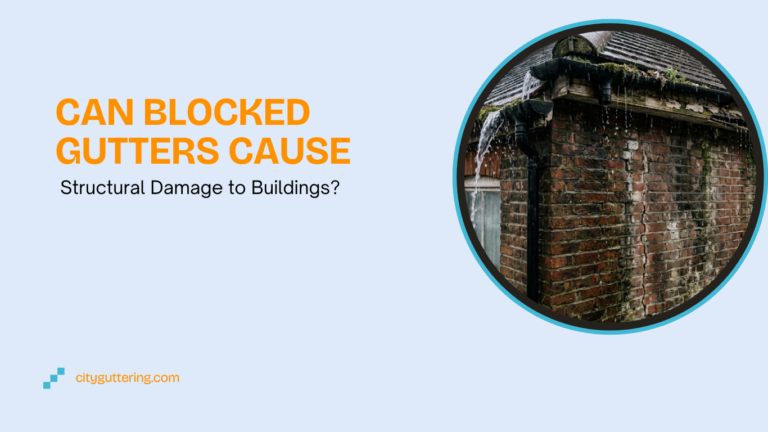
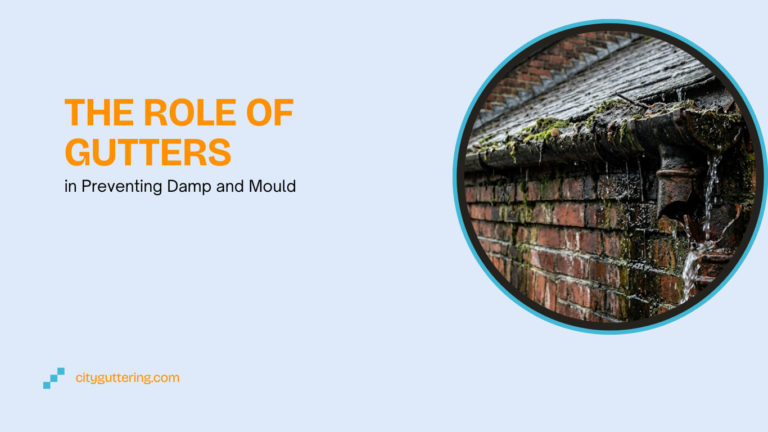
This is where City Guttering London comes in. Blocked gutters cause water to overflow and pool along roof edges, damaging fascias, soffits, and the roof structure itself. Regular gutter cleaning prevents thousands of pounds in premature roof damage. In London’s leafy areas, gutters need cleaning at least twice yearly to function properly.
Warning Signs Your Roof Needs Attention
Catching problems early can add years to your roof’s life. Watch for these red flags:
- Missing, cracked, or curling shingles that expose the underlayment
- Granules collecting in gutters (a sign shingles are breaking down)
- Sagging areas that indicate structural damage underneath
- Water stains on interior ceilings or running down walls
- Daylight visible through gaps in the roof boards
- Heavy moss or algae growth, especially on north-facing slopes
- Your roof approaching the typical lifespan for its material type
If you notice granules washing out of your gutters during cleaning, that’s often the first sign your shingle roof is nearing the end of its life. City Guttering London spots these warning signs during routine gutter maintenance, helping homeowners plan for replacement before emergency leaks occur.
How to Get Maximum Life from Your Roof
You can’t control the weather, but you can control how well you maintain your roof. These practices significantly extend roofing lifespan:
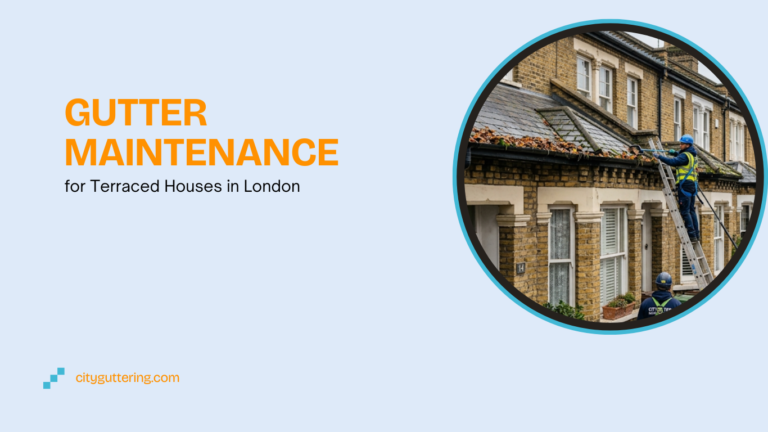
Keep Gutters Clear: Overflowing gutters are roof killers. Water backing up under shingles causes rot, ice dams in winter, and fascia damage. Professional gutter cleaning services in London and Surrey ensure water flows away from your roof properly, especially after autumn leaf fall.
Schedule Regular Inspections: Have your roof checked twice a year, ideally in spring and autumn. Professional inspections catch small issues like loose flashing or damaged shingles before they become expensive problems.
Address Repairs Quickly: A few missing shingles might seem minor, but water finds its way into the smallest gaps. Quick repairs cost a fraction of what you’ll spend fixing water damage to your home’s interior and structure.
Trim Overhanging Branches: Trees dropping leaves, branches, and debris accelerate roof aging. They also create damp, shaded areas where moss thrives. Keep branches at least two meters from your roof surface.
Ensure Proper Ventilation: Check that soffit vents and ridge vents aren’t blocked. Good airflow keeps your attic dry and prevents the heat buildup that shortens shingle life.
Understanding Roof Warranties
Most roofing materials come with manufacturer warranties ranging from 20 to 50 years, but read the fine print carefully. These warranties typically cover manufacturing defects, not wear and tear or storm damage. Workmanship warranties from your installer usually last 5 to 10 years and cover installation errors.
Keep all warranty documentation and maintenance records. Many warranties require proof of regular professional maintenance to remain valid. Skipping inspections or doing DIY repairs can void coverage when you need it most.
Final Thoughts
A new roof should last anywhere from 15 to 50+ years depending on the material you choose and how well you maintain it. In London and Surrey’s challenging climate, proper gutter maintenance is essential for reaching the upper end of that range.
City Guttering London helps protect your roofing investment with expert gutter cleaning, repairs, and maintenance services. Our team serves South London, South West London, Central London, Surrey, and Hampshire with fast, reliable solutions. Don’t let blocked gutters cut your roof’s life short. Get a free quote within 45 minutes and keep your home protected for decades to come. Call us today for professional gutter services that safeguard your biggest investment.