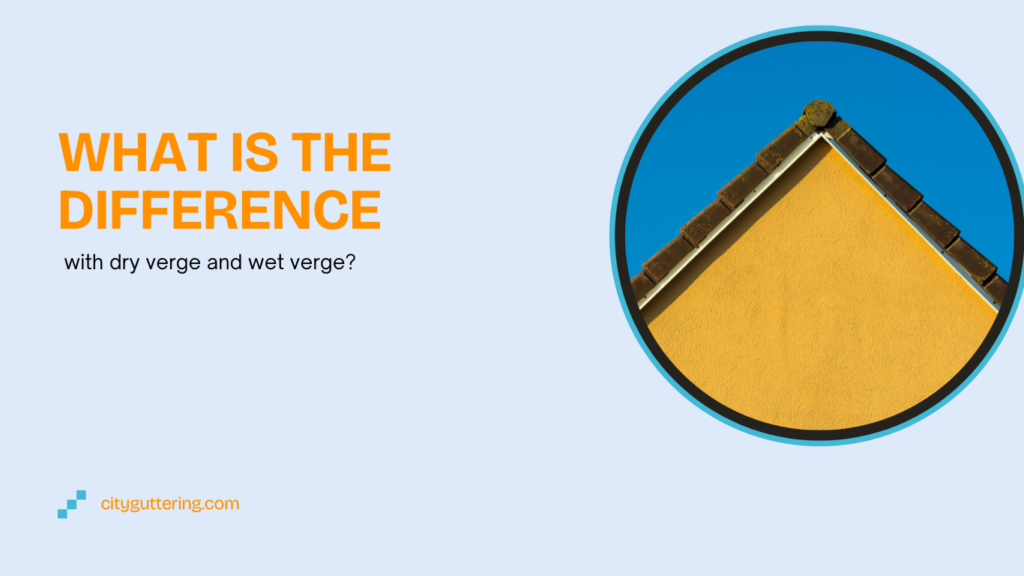
Your roof’s edge protection might not be something you think about often, but it plays a crucial role in keeping your home safe from water damage. The verge is the sloping edge of your roof where it meets the gable end, and protecting this area is critical for preventing costly repairs.
Two main systems exist for securing roof tiles at the verge: dry verge and wet verge. Understanding the difference between these methods can save you money and headaches in the long run.
At City Guttering London, we often see properties suffering from failed wet verge systems that could have been prevented. Let’s explore what sets these two systems apart and which one might be right for your property.
What is a Wet Verge System?
A wet verge system is the traditional method that’s been used for decades across the UK. This technique involves using cement mortar to bed and point the roof tiles at the gable end. Roofers mix mortar on-site and carefully apply it along the edge to hold the tiles in place and create a weatherproof seal.
While this method has stood the test of time, it comes with significant drawbacks. Mortar is porous and naturally absorbs moisture, which means constant exposure to British weather causes it to deteriorate. Over years of freeze-thaw cycles, the mortar cracks, shrinks, and eventually falls away, leaving your roof edge exposed.
Common problems with wet verge systems include:
- Mortar cracking and crumbling after 10-15 years
- Water penetration through degraded joints
- Moss and algae growth in porous mortar
- Regular repointing costs every decade
- Risk of tiles becoming loose or displaced
Understanding Dry Verge Systems
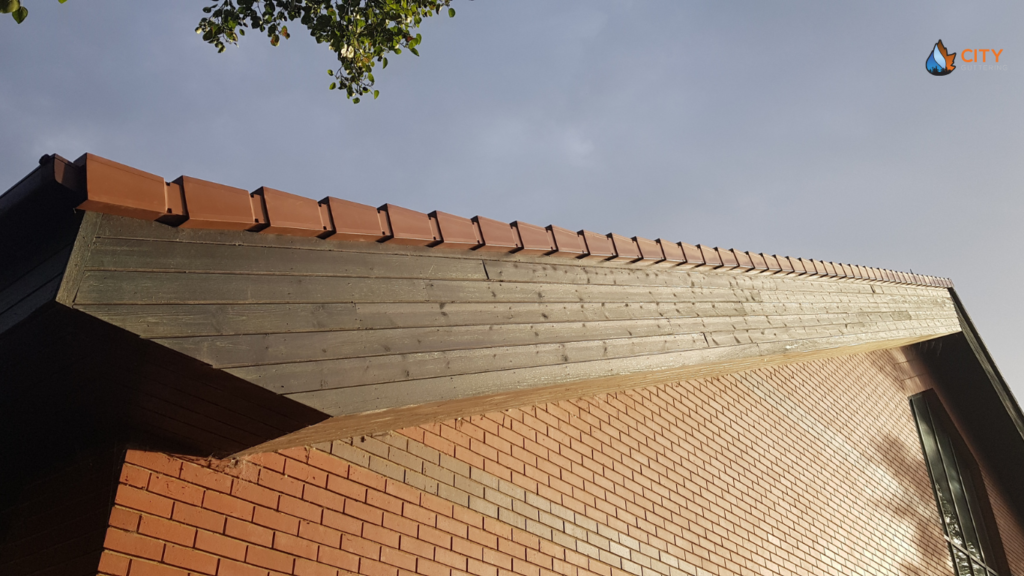
Dry verge systems represent a modern alternative that’s become increasingly popular since the 1990s. Instead of using mortar, these systems use specially designed UPVC caps and mechanical clips to secure roof tiles at the verge. The components simply clip onto the existing roof tiles without any wet trades required.
The system creates a neat, uniform finish along the roof edge while allowing for controlled ventilation. This ventilation is actually beneficial because it helps prevent condensation buildup in your roof space, something that wet mortar completely blocks.
Key components of a dry verge system:
- End caps that cover the exposed tile edges
- Fixing brackets that clip to roof battens
- Eaves closure units for the bottom course
- Ridge end caps for the top connection
- All made from durable, weather-resistant UPVC
Dry Verge And Wet Verge: The Key Differences
| Feature | Wet Verge | Dry Verge |
| Installation Method | Mortar bedding | Mechanical clips |
| Installation Time | Slower, weather-dependent | Faster, any weather |
| Lifespan | 10-15 years | 25+ years |
| Maintenance | Regular repointing needed | Virtually maintenance-free |
| Initial Cost | Lower | Higher |
| Long-term Cost | Higher (repointing) | Lower |
| Weather Resistance | Degrades over time | Excellent |
| Ventilation | Blocks airflow | Allows controlled ventilation |
The most significant difference lies in longevity and maintenance requirements. While wet verge might seem cheaper initially, the ongoing costs of repointing and repair quickly add up. City Guttering London regularly works on properties where failed wet verge has caused gutter problems and water damage to fascias.
Installation and Durability Comparison
Installing a wet verge system requires skilled craftsmanship and favorable weather conditions. Roofers need dry conditions for the mortar to cure properly, which can delay projects during London’s unpredictable weather. The work is labor-intensive and messy, with mortar potentially staining walls and gutters during application.
Dry verge installation is cleaner and faster. Most systems can be fitted in a fraction of the time, regardless of weather conditions. There’s no mixing, no mess, and no waiting for materials to cure. This efficiency translates to lower labor costs and minimal disruption to your daily routine.
Durability factors to consider:
- Wet verge deteriorates from UV exposure, frost, and rain
- Mortar becomes brittle and loses adhesion over time
- Dry verge materials are UV-stabilized and frost-proof
- UPVC components maintain flexibility in temperature changes
- Dry systems won’t crack, shrink, or crumble like mortar
Which System is Right for Your Property?
Choosing between wet and dry verge depends on several factors specific to your property. For most modern homes in London and Surrey, dry verge systems offer the best long-term value. They’re particularly suitable for new builds, recent roof replacements, or properties where you plan to stay for many years.
However, wet verge might still make sense in certain situations. Period properties or conservation areas sometimes require traditional methods to maintain historical authenticity. If you’re on a very tight budget and need an immediate temporary fix, wet verge costs less upfront.
Consider dry verge if:
- You want a long-term, low-maintenance solution
- Your property experiences frequent roof edge problems
- You’re planning other roof or gutter work
- You value energy efficiency and proper roof ventilation
Wet verge might work if:
- You own a listed or period property
- Budget constraints are severe
- You need a quick temporary repair
- Planning restrictions require traditional materials
How Verge Systems Affect Your Gutters
What many homeowners don’t realize is how closely verge systems relate to gutter performance. When wet verge fails, loose mortar debris falls directly into your gutters, causing blockages. Water that penetrates behind failed verge can also run down fascia boards, rotting the wood that supports your guttering system.
City Guttering London often encounters blocked gutters filled with mortar fragments from deteriorated wet verge systems. This creates a cascade of problems including overflowing gutters, fascia damage, and potential damp penetration into your property. A properly installed dry verge eliminates these issues entirely.
The neat edge profile of dry verge systems also makes gutter cleaning and maintenance easier. Our teams can access and clean gutters more efficiently when there’s no crumbling mortar to work around. This matters when you’re paying for regular gutter maintenance in areas like South London and Surrey.
Making the Right Choice for Your Home
Both wet and dry verge systems serve the same basic purpose of protecting your roof edge, but they deliver very different long-term results. While the higher initial cost of dry verge might seem off-putting, the reduced maintenance requirements and extended lifespan make it the smarter investment for most properties.
If you’re unsure which system suits your property best, professional assessment is essential. City Guttering London offers expert evaluations across London and Surrey, helping homeowners make informed decisions about their roofing and gutter systems. Our team can inspect your current verge condition and recommend the most cost-effective solution based on your property’s specific needs.
Don’t wait until failed verge causes expensive water damage or gutter problems. Contact City Guttering London today for a free quote within 45 minutes. Our experienced team serves South London, South West London, Central London, Surrey, and Hampshire with reliable, professional service backed by over 200 five-star reviews.
Whether you choose wet or dry verge, proper installation and integration with your gutter system ensures complete protection for your home. Get in touch with us to discuss your options and keep your property safe from water damage.